How Canadian Online Gamblers Can Protect Their Mental Health: Recognizing Risk Factors, Neurological Impacts, and Choosing the Best Bitcoin Casino Responsibly in 2026

Online and bitcoin gambling have exploded across Canada this year. I'm not exaggerating — I've watched the shift happen in real time, both among friends and in forums I lurk in way too often, honestly. What used to mean an occasional lottery ticket or a trip to a physical casino has turned into instant, round-the-clock access to crypto-powered platforms that never, ever close. That convenience is thrilling. Sure. But it also raises a question I don't think gets enough airtime: what is this actually doing to our brains, and to our mental health more broadly? In this piece, I want to walk through the psychological risks tied to online gambling, dig into some of the neuroscience behind why it feels so compelling, and help you think through how to pick a bitcoin casino that respects your wellbeing instead of quietly exploiting it.
Why Mental Health Matters in Online Gambling
Gambling and mental health are tangled together more tightly than most people realize — usually not until they're already struggling. Studies from Canadian health authorities have consistently shown problem gambling rates sitting around 1-3% of the adult population, with notably higher rates among people who gamble online versus in person. The reason isn't complicated, really: digital platforms strip away the natural friction that used to cap how much and how often we could play. There's no closing time. No drive home to sober up emotionally. No friend nudging you to call it a night. Just you, your phone, and an app that never sleeps.
The Canadian Gambling Landscape in 2026
Legal online gambling has kept expanding across provinces this year, with Ontario still leading the charge in regulated iGaming while other provinces slowly roll out their own frameworks — some faster than others. Bitcoin casinos in particular have gained serious traction. Faster deposits, lower fees, and a layer of privacy traditional banking just can't match. The flip side? More Canadians than ever are now exposed to the psychological mechanics of gambling, often without really understanding how those mechanics work on a neurological level.
The Neuroscience of Gambling — How Your Brain Reacts to Risk and Reward
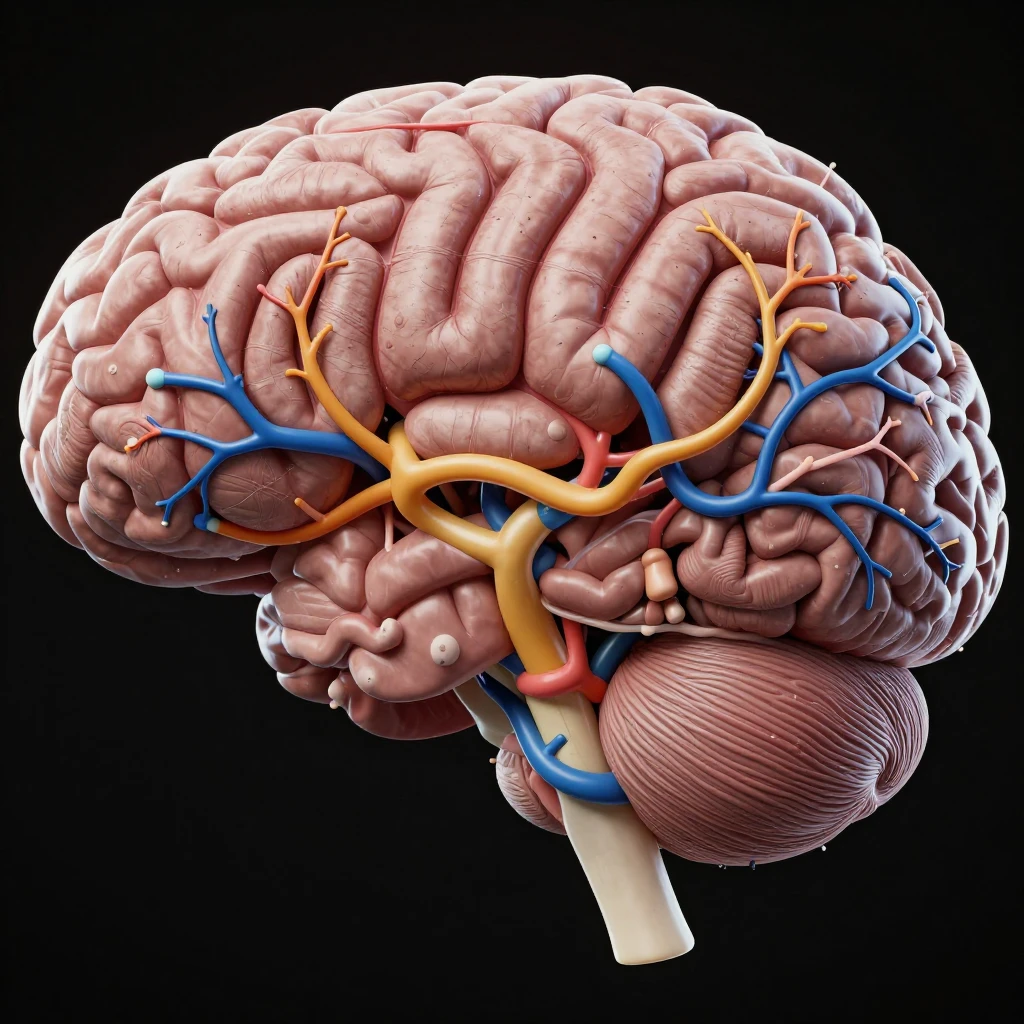
Here's where things get genuinely fascinating, and a little unsettling, if I'm being honest. Every time you place a bet and win, your brain releases dopamine — the same neurotransmitter tied to pleasure and motivation. But here's the twist: dopamine doesn't just respond to wins. It spikes during near-misses too, those moments where you almost hit the jackpot but didn't quite. Your brain reads 'almost winning' as a signal to keep trying, which is exactly why slot machines and crypto roulette games get engineered with so many near-miss moments baked right in.
Over time, repeated exposure to this reward-prediction cycle can actually rewire the brain's pathways. The anticipation of a win starts to feel almost as powerful as the win itself — which is a strange thing to sit with, once you notice it. Same mechanism behind other compulsive behaviors, really. And it's exactly why some people find it genuinely hard to stop, even when they know, intellectually, that they should.
Why Some Brains Are More Susceptible
Not everyone who gambles slides into problematic patterns. The reasons for that variation are partly biological. Genetics play a role. So do personality traits like impulsivity and sensation-seeking. People already dealing with anxiety or depression face higher risk too, because gambling can turn into a coping mechanism — a way to escape negative emotions temporarily, even though it usually makes those emotions worse down the line. If you've ever felt like gambling gives you a strange sense of relief during stressful periods... that's worth paying attention to. Not ignoring.
Recognizing Early Warning Signs and Risk Factors
Catching problematic patterns early makes an enormous difference, more than most people expect. Here's a practical checklist I'd push every Canadian player to run through, honestly, no sugar-coating:
- Chasing losses — increasing bets to try to recover money already lost
- Hiding gambling activity — from partners, family, or friends
- Mood swings — feeling euphoric after wins and deeply agitated or depressed after losses
- Neglecting responsibilities — work, relationships, or sleep suffering because of gambling time
- Financial strain — borrowing money, dipping into savings, or using funds meant for bills
Several Canadian organizations offer free self-assessment tools, including the Centre for Addiction and Mental Health (CAMH) and provincial responsible gambling councils. Running through one of these quizzes every so often is a surprisingly low-effort way to stay self-aware. Cheap insurance, basically.
Bitcoin Casinos and the Added Psychological Layer
Crypto gambling introduces its own unique psychological wrinkle. Transactions happen almost instantly, which removes the natural 'cooling off' period that traditional bank transfers used to force on everyone, whether they wanted it or not. When money moves that fast, there's less time to pause, reflect, and reconsider a bet. Add in the inherent volatility of cryptocurrency values, and you get an emotional cocktail where wins and losses feel amplified — not just because of the gambling outcome itself, but because the underlying asset's value might be swinging too.
This combination of speed and volatility means Canadian players using bitcoin casinos need to be even more deliberate about setting boundaries than those sticking to traditional fiat platforms. The convenience that makes crypto gambling appealing is the exact same convenience that can quietly erode self-control if you're not actively managing it. Double-edged thing, this.
How to Choose a Responsible Bitcoin Casino in 2026
Not all bitcoin casinos are created equal, and the gap between a safe platform and a predatory one usually comes down to a handful of factors. First, check for proper licensing from recognized gaming authorities. Second, look for transparent RNG (random number generator) certification — this confirms game outcomes actually aren't rigged. Third, and this one's crucial, prioritize platforms offering built-in responsible gambling tools: deposit limits, self-exclusion options, reality check reminders that pop up during extended sessions.
I've put in a fair amount of time researching which platforms actually walk the walk here rather than just talking a good game. Resources like best bitcoin casino can genuinely help Canadian players track down vetted operators that balance crypto convenience with real player protection measures, instead of just chasing flashy sign-up bonuses.
Red Flags to Avoid When Selecting a Platform
On the flip side, there are clear warning signs that should make you walk away immediately:
- No visible licensing information or vague 'offshore' claims
- Absence of self-exclusion or deposit limit tools
- Aggressive bonus pressure or constant push notifications to deposit more
- Poor or nonexistent customer support transparency
If a platform feels like it's built to keep you playing rather than help you play safely — trust that instinct. It's usually right.
Building Sustainable, Healthy Gambling Habits
Protecting your mental health while gambling online isn't about killing the fun entirely. It's about building habits that actually last. Set strict time and budget limits before you log in, not after — that part matters more than people think it does. Consider taking cold-turkey breaks periodically to reset your relationship with risk and reward. Lean on peer support or professional counseling if gambling starts bleeding into your daily life.
Canada has solid resources available province by province, including ConnexOntario, the Problem Gambling Help Line in Alberta, and similar services across BC and Quebec. These lines are confidential, free, and staffed by people who genuinely understand the psychological complexity of gambling, not just reading from a script.
Conclusion
Enjoying online and bitcoin gambling responsibly in 2026 really comes down to understanding two things at once: how your brain chemistry responds to risk, and how trustworthy the platform you're playing on actually is. Neither factor alone tells the full story — honestly, I'd argue they're basically useless without each other. By recognizing early warning signs, understanding the unique pressures crypto introduces, and choosing transparent, well-regulated casinos, Canadian players can keep gambling as a form of entertainment instead of letting it quietly erode their mental health.
Stay curious. Stay honest with yourself. And don't be afraid to actually use the tools and resources sitting right there, waiting, to keep things balanced.